


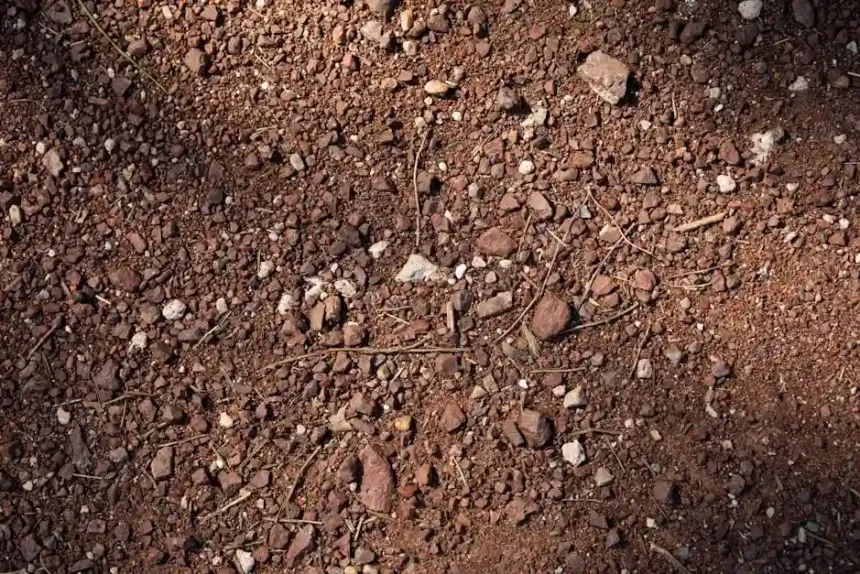
When you first decide to start a garden, it is easy to get distracted by the flashy parts of the process. You spend hours looking at glossy seed catalogs, picking out heirloom tomatoes, vibrant marigolds, and crisp lettuces. You might buy a beautiful set of tools, a shiny new watering can, and a pair of sturdy gloves. But the absolute most important element of your future garden is completely invisible from the surface, and it is the one thing new gardeners ignore the most: the soil.
- The Recipe for Perfect Soil
- The Big Three: Sand, Silt, and Clay
- How to Test Your Soil Texture
- The Cure for Almost Every Soil Problem: Compost
- Understanding Soil pH (Without the Chemistry Degree)
- The Hidden Workforce: Soil Biology
- The Golden Rule: Feed the Soil, Not the Plant
- Practical Steps for Building Healthy Soil
- Conclusion
If you treat soil like it is just “dirt”—a lifeless medium merely there to hold your plants upright—you will constantly battle pests, diseases, and stunted growth. But if you treat your soil as a living, breathing ecosystem, gardening becomes remarkably easy. Healthy soil does the heavy lifting for you. It feeds the plants, drains excess water, retains necessary moisture, and even helps plants fight off diseases.
Think of soil as the foundation of a house. You would not build a mansion on quicksand, and you should not plant expensive seeds in compacted, lifeless dirt. Here are the soil secrets every new gardener needs to know to grow a thriving, abundant garden.
The Recipe for Perfect Soil
To understand how to fix your soil, you first need to know what it is actually made of. Perfect garden soil—often called loam—is not just crushed up rocks. It is a precise recipe made of four main ingredients. If any of these are wildly out of balance, your plants will let you know.
Here is what is happening beneath your feet:
1. Minerals (45%)
This is the physical “dirt” part of your soil. Over millions of years, mountains and boulders are broken down by wind, rain, and ice into tiny rock particles. These particles give soil its structure and weight. They also contain essential nutrients that slowly release into the ground over centuries.
2. Water (25%)
Roots do not actually “eat” food; they drink it. The nutrients in your soil must be dissolved in water before a plant can absorb them. Without adequate water trapped in the soil, your plants will starve, even if surrounded by fertilizer.
3. Air (25%)
This surprises most new gardeners. Plant roots need to breathe oxygen. If soil is too densely packed, or if it is constantly flooded with water, the roots will suffocate and rot. Healthy soil is full of tiny pockets of empty space that allow air to circulate underground.
4. Organic Matter (5%)
This might be the smallest slice of the pie, but it is the magic ingredient. Organic matter is anything that was once alive and is now decomposing—dead leaves, rotted plant roots, manure, and compost. It acts like a sponge, holding onto water and nutrients so they do not wash away in the rain.
Take a closer look at how these elements come together in a healthy soil structure:
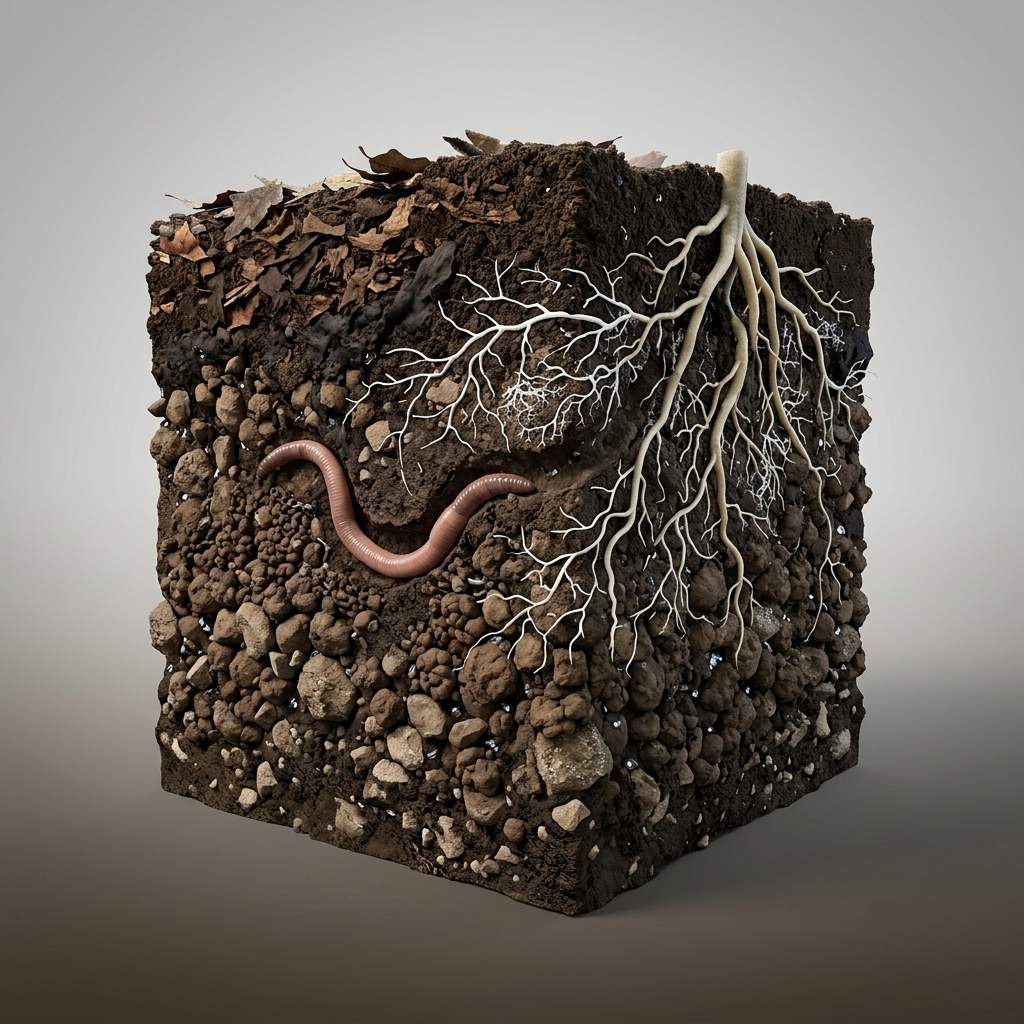
Key insight: The physical minerals give soil its shape, but the empty spaces—the pores holding air and water—are just as critical for plant survival. Compacting your soil by walking on it crushes these vital air pockets.
The Big Three: Sand, Silt, and Clay
The mineral part of your soil is categorized by the size of the rock particles. The size of these particles determines your soil’s “texture,” which dictates how well it holds water and nutrients.
Sand particles are the largest. If you look at sand under a microscope, the particles look like jagged little boulders. Because they are so large and irregularly shaped, they do not pack tightly together. Water flows right through sand, washing away nutrients with it. Sandy soil warms up quickly in the spring, but plants growing in it need constant watering and feeding.
Clay particles are microscopic and flat, like tiny dinner plates. Because they are flat, they stack tightly on top of one another, leaving almost no room for air. Clay holds onto water and nutrients incredibly well—sometimes too well. Clay soil is heavy, sticky when wet, and dries into rock-hard bricks in the summer. Plant roots often struggle to push through dense clay.
Silt particles are medium-sized, falling perfectly between sand and clay. They are smooth and hold moisture well while still allowing for some drainage.
The Holy Grail of gardening is loam, which is a mix of roughly 40% sand, 40% silt, and 20% clay. Loam drains well but holds enough moisture to keep plants happy, and it has plenty of air pockets for roots to breathe.
How to Test Your Soil Texture
Before you can improve your soil, you need to know what you are working with. You do not need a fancy laboratory to figure out your soil texture. You can do it right in your backyard using your hands.
This process is called the “Ribbon Test.”
- Gather your sample: Take a small handful of soil from your garden, digging down about four inches to get past the surface debris.
- Moisten the soil: Slowly add drops of water while kneading the soil in your palm. Stop when the soil feels like moist putty. If it is dripping wet, add a little more dry soil.
- Form a ball: Try to squeeze the soil into a tight ball. If the ball immediately crumbles and falls apart, you have very sandy soil. If it holds its shape, proceed to the next step.
- Push a ribbon: Hold the ball of soil between your thumb and index finger. Gently push the soil forward with your thumb, squeezing it upward to form a flat ribbon. See how long the ribbon gets before it breaks off under its own weight.
- Read the results: If the ribbon breaks before it reaches 1 inch (2.5 cm), you have loam or sandy loam. If it stretches 1 to 2 inches (2.5-5 cm), you have clay loam. If the ribbon stretches past 2 inches (5 cm) before breaking, you are dealing with heavy clay soil.
If you want a more precise breakdown of the grittiness or smoothness, you can follow this flowchart:
The Cure for Almost Every Soil Problem: Compost
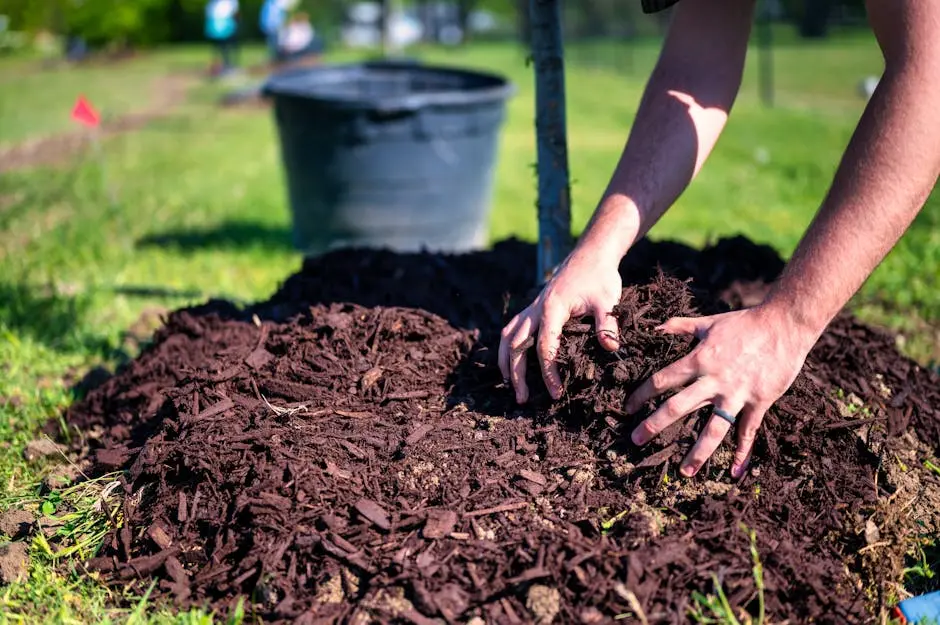
Whether your ribbon test revealed you have dense, sticky clay or loose, porous sand, the solution to fixing your soil is exactly the same: add organic matter.
Organic matter—usually in the form of compost—is the great equalizer of the garden world.
If you have sandy soil, water drains away too fast. Compost acts like a sponge. When you mix it into sand, it catches the water and holds it near the plant roots, giving them time to drink.
If you have clay soil, the particles are stacked too tightly, suffocating the roots. When you mix compost into clay, it acts like a wedge. It forces the tiny clay plates apart, creating spaces for air to enter and allowing excess water to drain away so the roots do not rot.
What Exactly Is Compost?
Compost is simply decomposed plant and animal matter. You can buy it in bags at the garden center, or you can make it yourself by piling up grass clippings, autumn leaves, vegetable scraps from your kitchen, and coffee grounds. Over time, millions of microscopic bacteria, fungi, and insects eat this material, breaking it down into a dark, crumbly, earthy-smelling substance called humus.
Humus is gardening gold. When you spread a few inches of compost over your garden beds every year, you are slowly transforming the native soil into rich, productive loam.
Understanding Soil pH (Without the Chemistry Degree)
You can have the most beautiful, nutrient-rich soil in the world, but if your pH is wrong, your plants will starve.
The pH scale measures how acidic (sour) or alkaline (sweet) your soil is, on a scale from 0 to 14.
- A pH of 7.0 is perfectly neutral.
- Numbers below 7.0 are acidic.
- Numbers above 7.0 are alkaline.
Why does this matter? Because plant roots act like locked doors, and nutrients are the guests trying to get inside. The pH of the soil acts as the key. If the soil is too acidic or too alkaline, the chemical locks on the plant roots change shape, and the nutrients cannot get in. This is called “nutrient lockout.” You could dump pounds of fertilizer on your garden, but if the pH is wrong, the plant cannot absorb it.
The vast majority of garden vegetables and flowers prefer slightly acidic soil, right around a pH of 6.0 to 6.8. At this specific range, all the major nutrients (nitrogen, phosphorus, and potassium) are easily dissolved in water and readily available for the plant to absorb.
There are exceptions, of course. Blueberries and azaleas are famous for loving highly acidic soil (pH 4.5 to 5.5). But for a general vegetable or flower garden, hovering just below neutral is your goal.
You can buy a cheap pH testing kit at any garden center. If your soil is too acidic (common in wet, forested climates), you can raise the pH by adding garden lime. If your soil is too alkaline (common in dry, arid climates), you can lower the pH by adding elemental sulfur.
The Hidden Workforce: Soil Biology
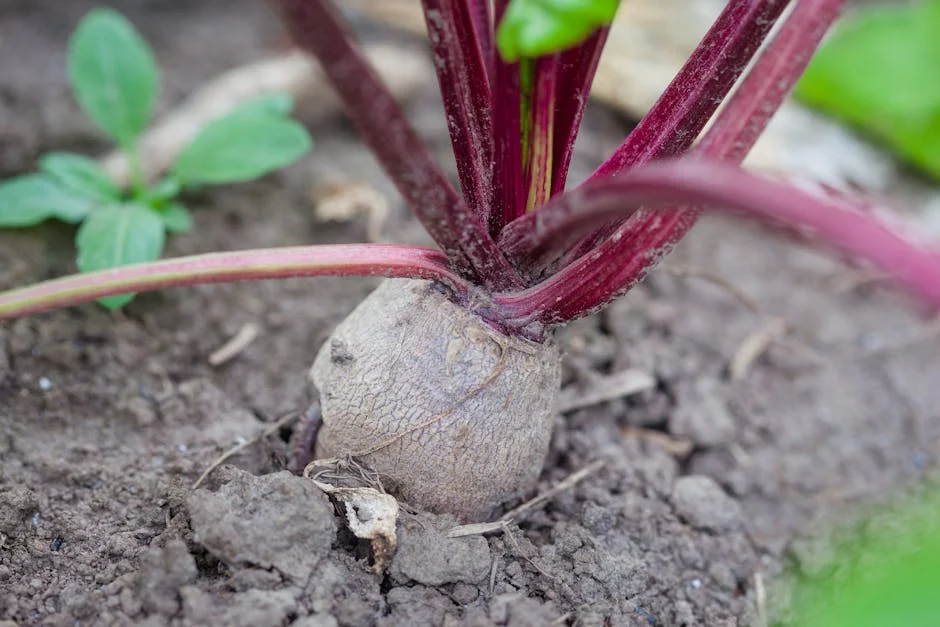
Dirt is dead. Soil is alive.
When you scoop up a handful of healthy garden soil, you are holding more living organisms than there are human beings on planet Earth. This microscopic zoo includes bacteria, fungi, protozoa, and nematodes, alongside larger creatures like earthworms and beetles.
This living network is called the Soil Food Web, and it is the secret engine of your garden.
In a forest, no one is walking around applying chemical fertilizers to the trees, yet the trees grow massive and healthy. How? The soil food web does the work. When a leaf falls to the forest floor, bacteria and fungi immediately start eating it. As they digest the leaf, they convert the locked-up nutrients into a chemical form that plant roots can absorb.
Fungi play an especially vital role. Certain types of fungi, called mycorrhizal fungi, attach themselves to plant roots. They create vast, underground networks of microscopic threads that act like fiber-optic cables. The fungi stretch far out into the soil, mining for water and nutrients like phosphorus, and funnel them directly back to the plant root. In exchange, the plant feeds the fungi sugars that it creates through photosynthesis. It is a perfect, ancient partnership.
When you use synthetic chemical fertilizers, you are bypassing this natural system. Synthetic fertilizers feed the plant directly, which is great for a quick burst of growth. But over time, the salts in these chemicals can kill the delicate bacteria and fungi in the soil. Without the microbes, the soil becomes dead dirt, and your plants become completely reliant on you for their food.
The Golden Rule: Feed the Soil, Not the Plant
This brings us to the most important mindset shift for a new gardener.
Stop worrying about feeding your plants. Instead, focus entirely on feeding the soil, and let the soil feed the plants.
If you keep your underground workforce of worms, fungi, and bacteria happy and well-fed with organic matter, they will tirelessly manufacture all the food your plants will ever need, perfectly balanced and delivered exactly when the plant requests it.
Practical Steps for Building Healthy Soil
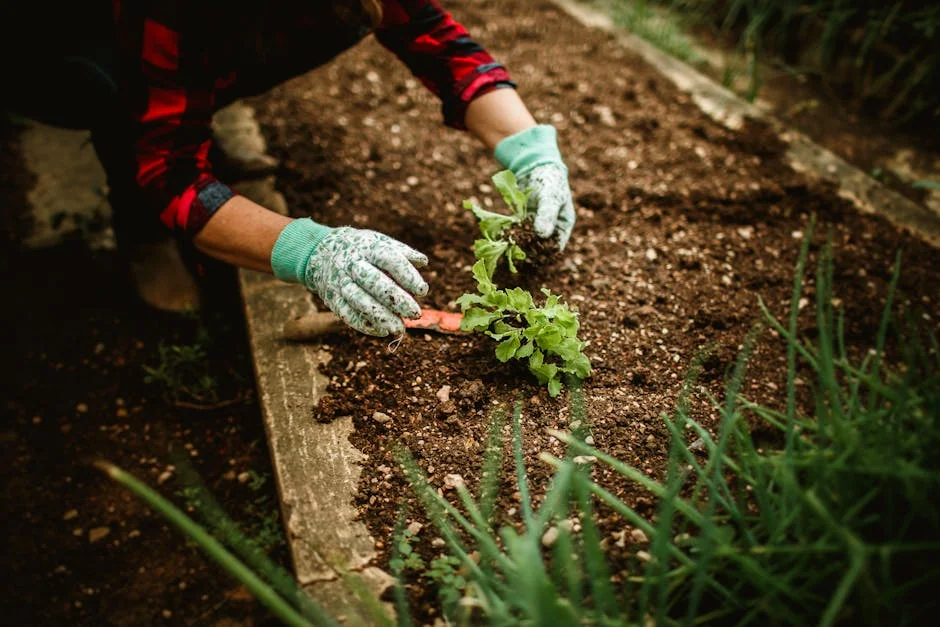
Now that you know the secrets of what makes soil tick, here is how you translate that into daily gardening habits.
1. Never walk on your growing beds.
Remember those vital air pockets that roots need to breathe? Every time you step on your garden soil, your body weight crushes those pores, compacting the soil. Design your garden with clear, designated walking paths. If you have to reach into a bed, use a stepping stone to distribute your weight. Raised beds are excellent for this because they clearly define where the soil is meant for growing, not walking.
2. Stop tilling and flipping the soil.
For decades, gardeners believed they had to aggressively dig and turn their soil every spring. We now know this is destructive. Tilling destroys the delicate fungal networks that take months to form, chops up earthworms, and brings buried weed seeds to the surface where they quickly sprout. Unless you are breaking ground for the very first time, try “no-till” gardening. Simply layer compost on top of the soil and let the earthworms pull it down naturally.
3. Keep the soil covered.
Bare soil is damaged soil. The sun bakes it, killing the microbes near the surface. Rain pounds it, washing away nutrients and compacting the surface into a hard crust. Wind blows the finest, most valuable topsoil away. Always keep your soil covered with a layer of mulch. Mulch can be shredded leaves, straw, grass clippings, or wood chips. As the mulch slowly breaks down, it turns into compost, constantly feeding the soil food web from the top down.
4. Pull weeds gently.
When you rip a weed out aggressively, you disturb the soil structure around it. If possible, snip weeds at the soil line rather than yanking them, allowing the dead roots to rot in place and add organic matter deep underground. If you must pull them, do it when the soil is damp and they slide out easily.
Conclusion
Mastering your soil is the true secret to a green thumb. Plants are genetically programmed to want to grow—they want to survive, produce flowers, and make seeds. Usually, when a plant fails, it is because we put it in an environment where survival was impossible.
By ensuring your soil has the right texture, plenty of organic matter, a balanced pH, and a thriving population of microbes, you are setting the stage for success. You won’t need to stress over complicated fertilizer schedules or constantly battle pests. When the foundation is strong, the garden practically grows itself.