

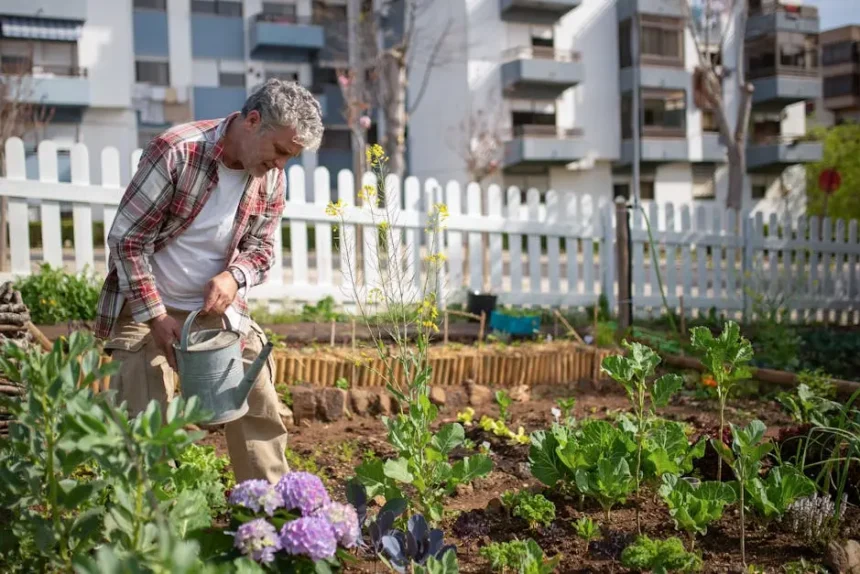
Gardening is one of the most rewarding hobbies you can pick up. There is a profound sense of magic in taking a tiny, dry seed, placing it into the earth, and watching it transform into a vibrant flower or a delicious vegetable. It connects us to nature, provides a peaceful escape from our busy screens, and yields beautiful, tangible results. However, if you have ever stood over a wilted, yellowing plant wondering where it all went wrong, you are not alone.
Gardening is as much a science as it is an art, and it comes with a steep learning curve. Every gardener, from the first-time patio planter to the seasoned homesteader, makes mistakes. The difference between a struggling patch of dirt and a thriving, year-round oasis lies not in avoiding mistakes entirely, but in learning from them. When we understand what plants actually need—rather than what we assume they need—we can shift from reactive troubleshooting to proactive care.
In this comprehensive guide, we will explore the five most common gardening mistakes. We will break down exactly why these errors happen, how they impact your plants, and most importantly, the simple, practical steps you can take to avoid them. By mastering these foundational principles, you will be well on your way to cultivating a lush, healthy garden that brings you joy in every season.
Mistake 1: The Watering Trap (Too Much or Too Little)
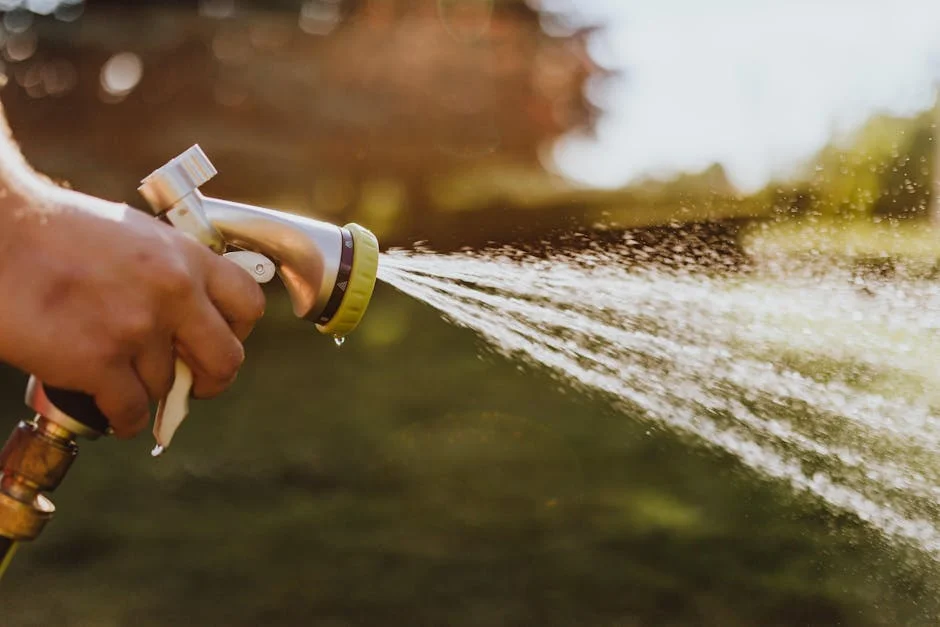
If there is one single area where most gardeners trip up, it is watering. It seems like the simplest task in the world: plants need water, so you give them water. But this is exactly where the trouble begins. Many beginners operate on a rigid schedule, watering every single day simply because it is part of their morning routine. Others swing to the opposite extreme, forgetting about their plants until the leaves turn brown and crispy.
The Danger of Overwatering
Overwatering is arguably the silent killer of the garden. When you water a plant too frequently, the soil becomes waterlogged. Plant roots need oxygen just as much as they need water. In soggy, saturated soil, the air pockets are pushed out, and the roots essentially drown. This leads to a condition called root rot, a fungal disease that destroys the root system. Ironically, an overwatered plant often looks like an underwatered plant—the leaves may wilt, turn yellow, and drop off—because the rotting roots can no longer absorb moisture to send to the leaves.
The Danger of Underwatering
On the flip side, underwatering deprives the plant of the essential hydration it needs to perform photosynthesis and transport nutrients. Shallow watering—where you just wet the very top of the soil—is particularly deceptive. It encourages plant roots to stay near the surface to chase the moisture. When a hot day comes, those shallow roots dry out instantly, leaving the plant highly vulnerable to heat stress.
THE SOLUTION: DEEP AND MINDFUL WATERING
Throw away the watering schedule. Instead of watering by the calendar, check the soil moisture before you water. Use the “Finger Test”: push your index finger about two inches down into the soil near the plant’s base. If it feels moist, wait. If it feels dry, it is time to water. When you do water, water deeply. Give the soil a good, slow soak so the water penetrates several inches down. This encourages the roots to grow deep into the earth, making the plant much more resilient during dry spells.
Additionally, try to water in the early morning. This gives the plants a good drink before the heat of the sun causes rapid evaporation, and it allows any water that splashes onto the leaves to dry off during the day, which helps prevent fungal diseases. Avoid watering in the evening if you live in a humid climate, as plants sitting in damp soil overnight are prime targets for rot and pests.
Mistake 2: Treating Soil Like “Just Dirt”
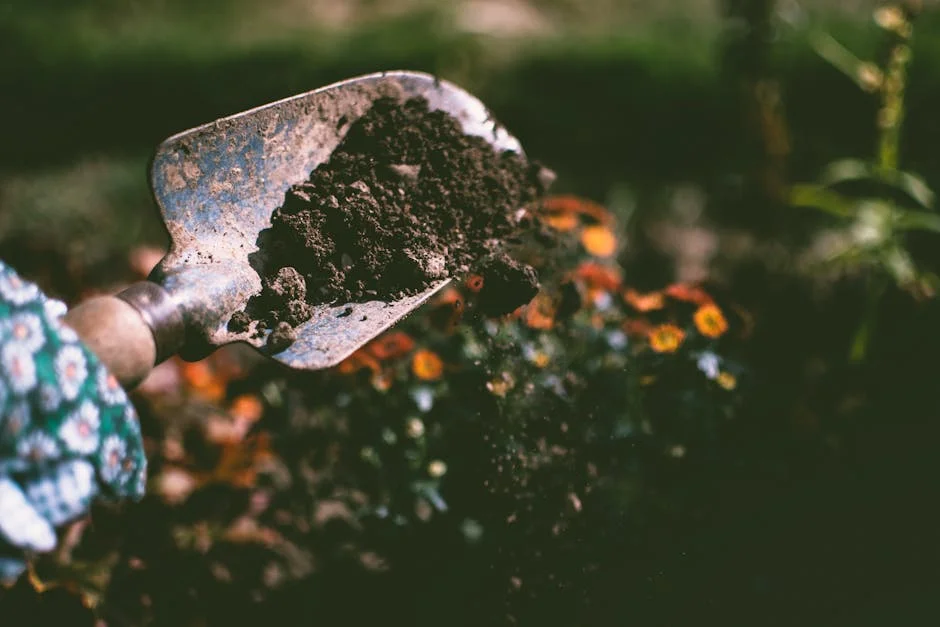
Many new gardeners spend a small fortune on beautiful, healthy plants from the nursery, bring them home, and stick them into poor, unamended soil. They treat the soil merely as a structural anchor to hold the plant upright. But soil is not just dirt; it is a living, breathing ecosystem. It is the absolute foundation of your garden’s health.
The Problem with Poor Soil
If your soil is heavy clay, it will hold onto too much water and suffocate your plant’s roots. If it is pure sand, water and nutrients will drain away before the plant has a chance to absorb them. Furthermore, soil that lacks organic matter is sterile. It lacks the beneficial microbes, earthworms, and fungi that work in harmony with plant roots to break down nutrients into a form the plant can actually use. You can pour all the liquid fertilizer in the world onto dead soil, and your plants will still struggle.
Building a Healthy Foundation
The secret to a thriving garden is not feeding the plants; it is feeding the soil. When you create healthy soil, the plants will take care of themselves. The universal cure for almost all soil problems—whether it is too much clay, too much sand, or nutrient depletion—is organic matter.
THE SOLUTION: COMPOST AND MULCH
Before you plant anything, amend your soil with a generous layer of high-quality compost. Compost acts like a sponge in sandy soils, holding onto moisture, and breaks up dense clay soils, allowing for better drainage and airflow. Make it a habit to add a fresh layer of compost to your garden beds every spring and fall.
Once your plants are in the ground, do not leave the soil bare. Bare soil is vulnerable to erosion from rain, baking from the sun, and invasion by weeds. Apply a two- to three-inch layer of organic mulch, such as shredded leaves, straw, or wood chips, around the base of your plants. Mulch is a gardener’s best friend. It regulates soil temperature (keeping roots cool in summer and warm in winter), suppresses weed growth by blocking out light, and slowly breaks down over time, continually feeding the soil below.
Mistake 3: Ignoring the Rules of Real Estate (Location, Location, Location)
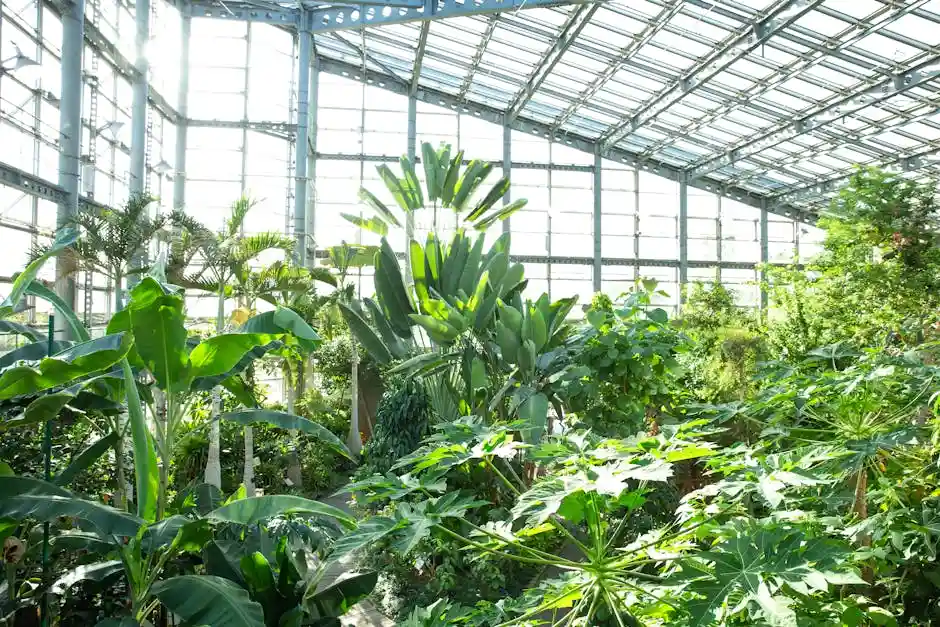
We have all done it: you see a gorgeous, blooming shade-loving fern at the garden center, and you buy it because it looks beautiful, only to plant it in the middle of a sun-baked front yard where it fries to a crisp within a week. Planting without regard for a plant’s specific needs regarding sunlight, spacing, and microclimates is a fast track to disappointment.
Misunderstanding Sunlight
Sunlight requirements are not suggestions; they are biological imperatives. When a plant tag says “Full Sun,” it means the plant requires a minimum of six to eight hours of direct, unobstructed sunlight every day to produce flowers or fruit. Tomatoes, peppers, and most blooming flowers fall into this category. If you place them in the shade, they will become “leggy”—stretching desperately toward the light—and will likely fail to produce. Conversely, placing “Full Shade” plants (like hostas or ferns) in direct afternoon sun will scorch their leaves, causing them to bleach and burn.
The Crowding Crisis
Spacing is another critical aspect of location. When plants are young seedlings, it is tempting to plant them very close together because the garden looks bare. But plants grow. When they reach their mature size, overcrowded plants compete fiercely for water, nutrients, and sunlight. Worse, overcrowding prevents air circulation. When leaves are packed tightly together, moisture gets trapped, creating a perfect incubator for fungal diseases like powdery mildew and blight.
THE SOLUTION: MAP AND MEASURE
Spend a weekend mapping the sunlight in your yard. Check your garden space in the morning, at noon, and in the late afternoon. Note which areas receive direct sun, which get dappled light, and which are in deep shade. Always read the plant tags before you buy, and match the plant to the location you actually have, not the location you wish you had.
When it comes to planting, trust the spacing guidelines on the seed packet or plant tag. It will look too empty at first, but have patience. Give your plants the room they need to stretch their roots and branches. Good airflow is one of the most effective, natural ways to keep diseases out of your garden.
Mistake 4: Fighting the Seasons
Nature has a rhythm, and trying to force plants to grow outside of their natural seasonal preferences is a losing battle. A common mistake among new gardeners is assuming that as long as it is warm outside, you can grow anything. Or, conversely, thinking that gardening completely ends the moment the first frost arrives.
Planting Out of Season
Plants generally fall into two categories: cool-season and warm-season. Cool-season crops (like lettuce, spinach, peas, radishes, and broccoli) thrive in the crisp weather of early spring and autumn. If you try to plant them in the heat of July, they will “bolt” (rapidly go to seed) and turn incredibly bitter. Warm-season crops (like tomatoes, cucumbers, melons, and basil) need warm soil and hot days. If you plant them too early in the spring, a late frost will kill them overnight, or they will simply sit stunted in the cold soil, refusing to grow.
Missing Out on the Year-Round Harvest
Many people pull up their gardens in September, completely missing out on the second growing season. Autumn is actually one of the best times to garden. The soil is already warm, pest pressure is usually lower, and the cooler air is gentle on plants. With a little planning, you can harvest fresh food well into the winter.
THE SOLUTION: KNOW YOUR ZONE AND SUCCESSION PLANT
First, find out your region’s hardiness zone and your average first and last frost dates. This is your gardening calendar. Plant your cool-weather crops early in the spring, right after the ground thaws. As the heat of summer approaches, harvest them and replace them with warm-weather lovers. Then, in late summer, do a second sowing of your cool-weather crops for a fall harvest.
To keep the garden thriving year-round, look into season extenders. Simple tools like row covers, cold frames, or even a basic layer of thick mulch can protect hardy vegetables (like carrots, kale, and leeks) from freezing, allowing you to walk out into a snowy yard and pull up fresh, incredibly sweet vegetables for your winter soups.
Mistake 5: The Reactive Approach to Weeds and Pests
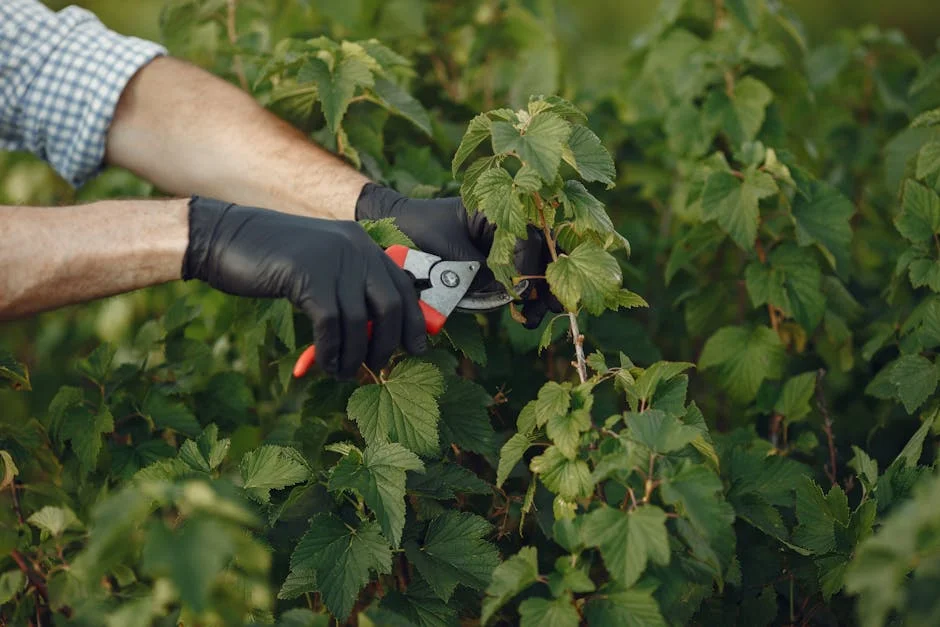
It happens every summer: you check your garden on a Monday, and everything looks fine. You look again on Thursday, and a colony of aphids has colonized your roses, or a jungle of weeds has choked out your delicate carrot seedlings. The mistake here is waiting until a problem is out of control before trying to fix it.
The Weed Takeover
Weeds are more than just an eyesore; they are aggressive competitors. They steal the water, sunlight, and soil nutrients that your cultivated plants desperately need. If you let weeds mature and go to seed, you are guaranteeing a massive headache for the next five years. One single dandelion can produce thousands of seeds.
Reaching for the Chemical Sprays
When pests do appear, many gardeners panic and reach for broad-spectrum chemical pesticides. While these sprays will kill the aphids eating your tomatoes, they will also kill the ladybugs, bees, butterflies, and predatory wasps that make up a healthy garden ecosystem. Once you eliminate the beneficial insects (the “good guys”), your garden becomes entirely dependent on you to fight off the next wave of pests, which will inevitably return.
THE SOLUTION: CONSISTENT OBSERVATION AND NATURAL BALANCE
The best fertilizer is a gardener’s shadow. Make it a habit to walk through your garden for five minutes every single day. Look closely at the undersides of leaves, where pests like to hide. Pluck weeds while they are tiny and easy to pull—a quick five-minute weeding session twice a week is much easier than a grueling five-hour battle at the end of the month.
When it comes to pests, aim for management, not eradication. A healthy garden will always have a few bugs. Encourage beneficial insects by planting flowers like marigolds, alyssum, and dill among your vegetables, a practice known as companion planting. If you do need to intervene against a pest outbreak, start with the gentlest methods first: a strong blast of water from the hose to knock aphids off, or a simple insecticidal soap. Reserve harsh chemicals as an absolute last resort, if ever.
Cultivating Patience: The Ultimate Garden Tool
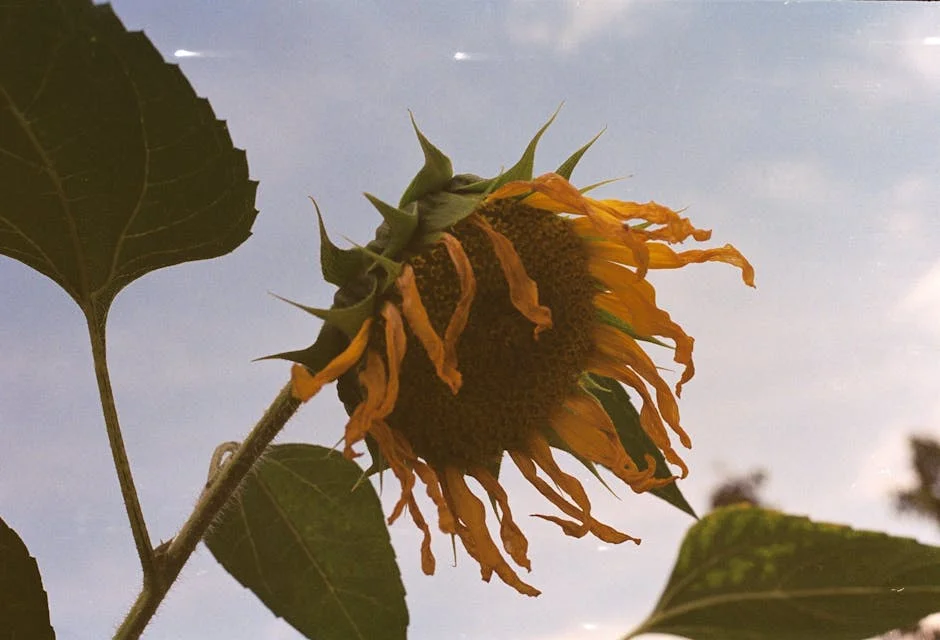
If you take away just one lesson from these common mistakes, let it be this: a thriving garden is built on observation, adaptation, and patience. Plants are incredibly resilient living things that want to grow. Our job as gardeners is simply to remove the obstacles in their way and provide the right environment for them to do what they do naturally.
Do not be discouraged when things go wrong, because they inevitably will. Even master gardeners lose plants to unexpected frosts, sudden pest invasions, or an overly enthusiastic watering hand. Every wilted leaf is a piece of data; every failed crop is a lesson for next season. Gardening is not a test of perfection. It is an ongoing dialogue with nature.
By learning to water deeply and appropriately, investing in the rich, organic health of your soil, placing your plants in the microclimates where they naturally thrive, timing your planting with the rhythm of the seasons, and staying proactively engaged with the ecosystem of your yard, you will avoid the pitfalls that frustrate so many beginners. More importantly, you will begin to understand the quiet language of your garden.
So roll up your sleeves, get some dirt under your fingernails, and don’t be afraid to make a few mistakes. The earth is forgiving, and there is always another season just around the corner. Happy gardening!